About our Café
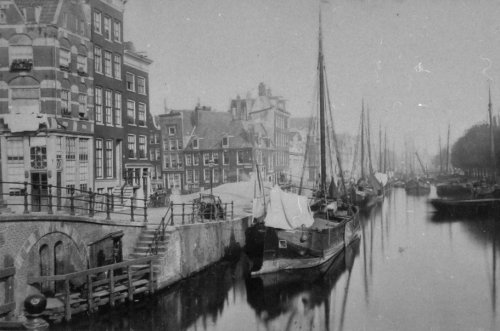
On the corner of Brouwersgracht and Lindengracht (which was filled in 1895), there has been a legendary café for as long as anyone can remember. In the past, it was known as “Koffiehuis Mambo” and “Het Generaaltje”, where regulars would climb the narrow stairs after an evening of frothy beer and jenever to sleep off their buzz in small lodgings.
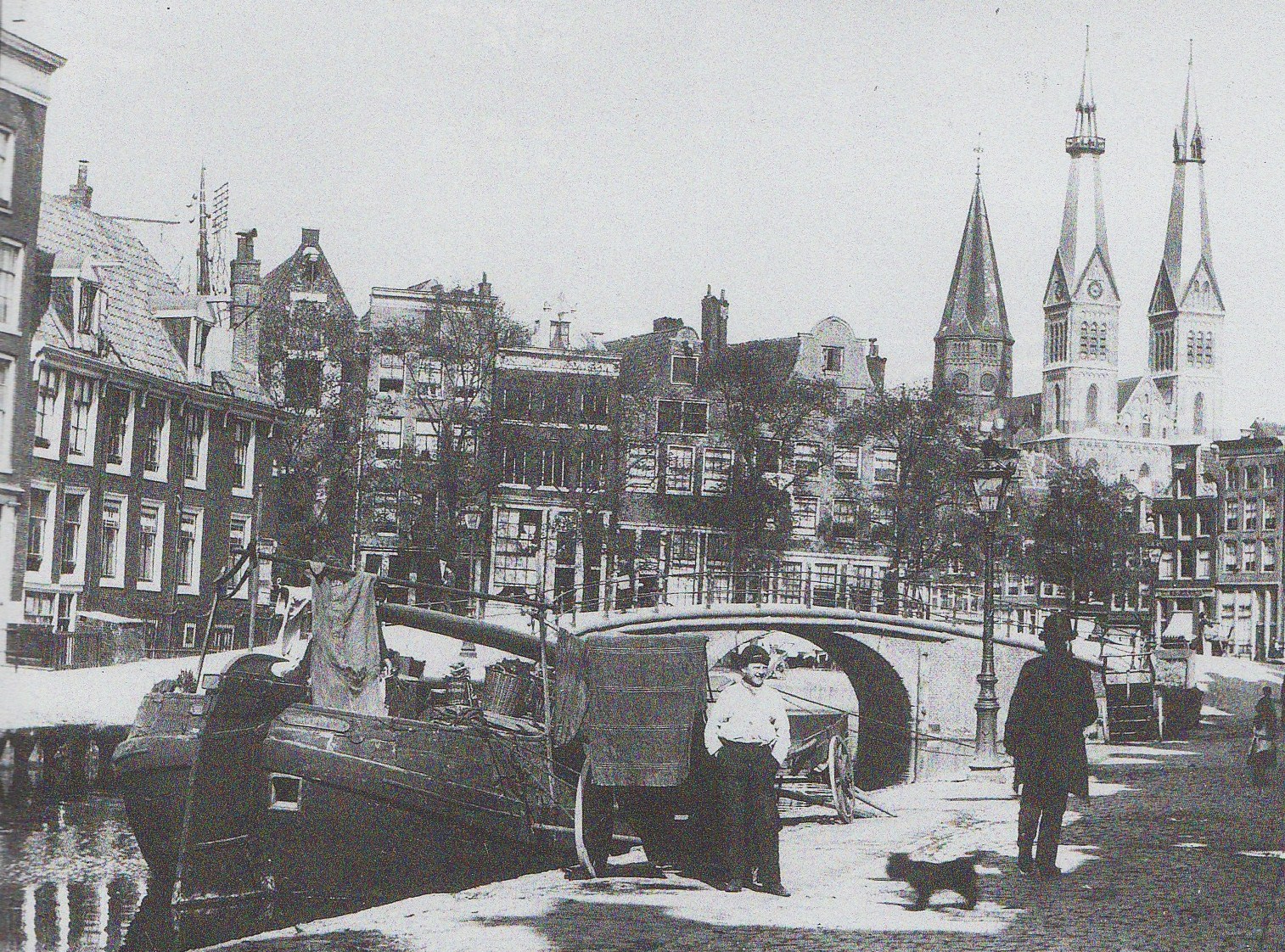
The Brouwersgracht, connecting the Singel to the Singelgracht, forms the northwestern boundary of Amsterdam’s canal belt. Between the Prinsengracht and the Singelgracht, this canal marks the northern edge of the Jordaan. From 1612, the canal belt was constructed southwards from the Brouwersgracht. The name Brouwersgracht refers to the many breweries that could be found here in the 16th and 17th centuries. Since 1782, the last Amsterdam distillery for jenever and liqueurs, De Ooievaar, has been located on the Brouwersgracht at Driehoekstraat. Most old warehouses have now been converted into homes.
Since April 1990, when the Jordaan was still a true working-class neighborhood, Café Thijssen has been located here after a thorough renovation. The café is named after the beautiful statue of Theo Thijssen (1979, Hans Bayens) that stands opposite the café.
Theo Thijssen (1879-1943) was a writer, teacher, trade unionist, social democrat, and born Amsterdammer. He is best known as the author of the novels Kees de jongen and De gelukkige klas.